
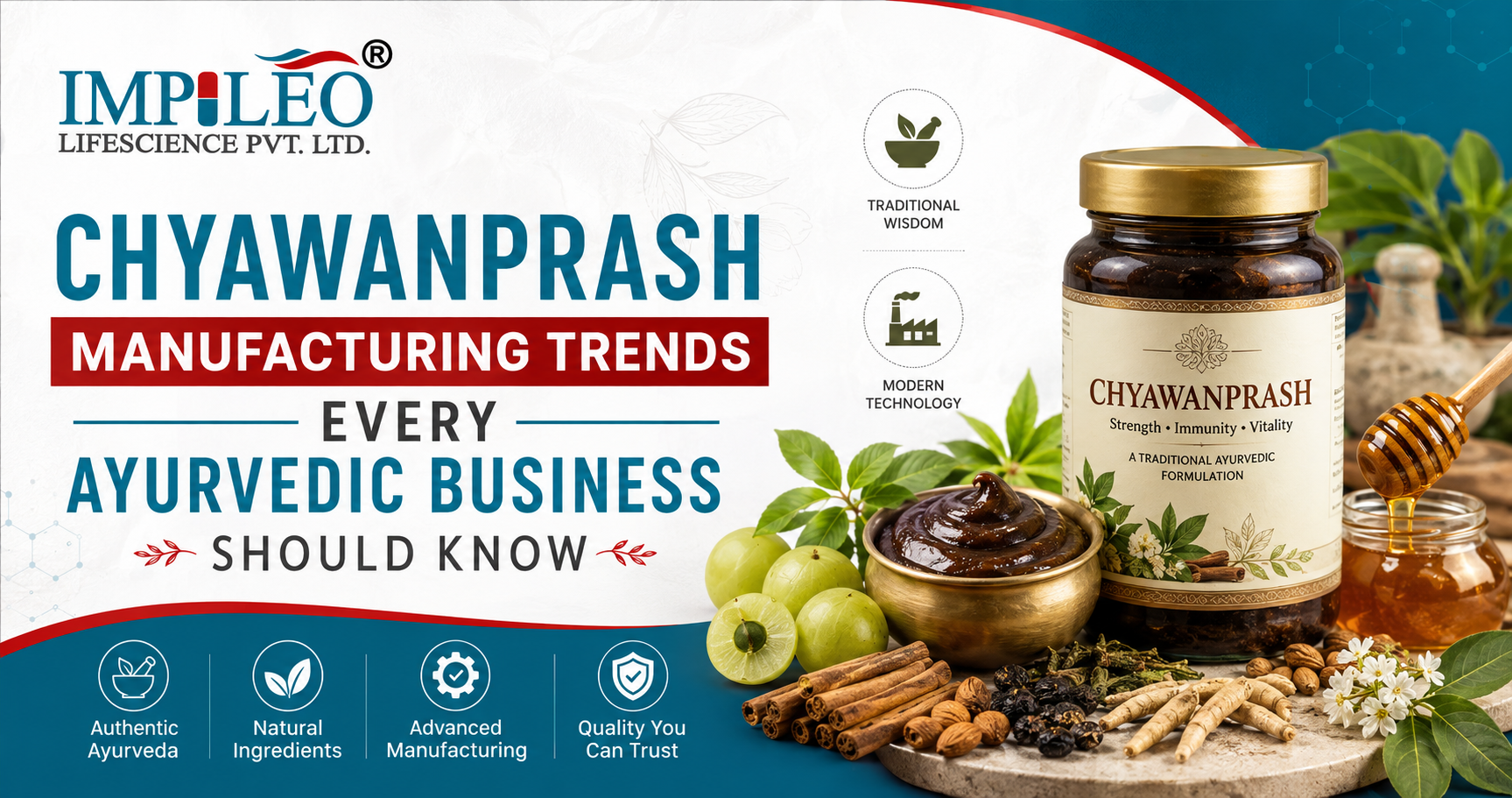
Chyawanprash has remained one of the most recognized Ayurvedic formulations in India for generations, but the way this traditional product is developed, manufactured, packaged, and marketed is changing rapidly. Modern consumers are increasingly interested in preventive wellness, herbal formulations, clean-label products, and convenient ways to include traditional ingredients in their daily routines. As a result, Ayurvedic businesses entering this category need to look beyond conventional production methods and understand the trends shaping the market. For brands planning to launch or expand their product range, working with experienced Chyawanprash Manufacturers in India can help transform a traditional formulation into a product that meets modern quality, consistency, and market expectations.
The growing interest in Ayurveda has created new opportunities for businesses of different sizes. Established healthcare companies, wellness startups, pharmaceutical businesses, and entrepreneurs are all exploring herbal product categories. Chyawanprash continues to attract attention because it combines the familiarity of a traditional formulation with the growing consumer demand for daily wellness products. However, today’s market is more competitive than ever. A successful product must balance authentic Ayurvedic principles with reliable manufacturing processes, appealing presentation, ingredient transparency, and consistent quality.
Traditional Ayurveda Is Meeting Modern Manufacturing
One of the most important trends in Chyawanprash manufacturing is the combination of traditional knowledge with modern production infrastructure. Consumers may appreciate the heritage associated with classical Ayurvedic formulations, but they also expect products to be manufactured under controlled conditions. Businesses therefore need manufacturing processes that support consistency from one production batch to another while respecting the characteristics of traditional ingredients.
Amla remains one of the central ingredients associated with Chyawanprash, along with a combination of herbs and other ingredients that may vary according to the selected formulation. Ingredients such as Ashwagandha, Giloy, Shatavari, Pippali, Mulethi, ghee, honey, jaggery, sugar, and selected spices may be used depending on the formulation and product positioning. The growing challenge for manufacturers is maintaining the intended character of these ingredients while following organized processing and quality procedures.
Modern production facilities can help businesses manage ingredient handling, processing, blending, consistency, and packaging more effectively. This is particularly important for Ayurvedic businesses that want to build long-term trust in their products. A traditional product does not need to appear outdated. Modern manufacturing allows businesses to retain the identity of Ayurveda while improving production reliability and scalability.
Rising Demand for Customized Formulations
The days when every Chyawanprash product looked and tasted almost the same are gradually changing. One of the strongest trends in the market is product customization. Businesses are exploring different formulation approaches to create products that match specific consumer preferences and market segments.
Some consumers prefer a classic taste and traditional composition, while others look for alternatives with modified sweetening ingredients or a stronger focus on selected herbal components. There is also growing interest in premium, herbal, wellness-oriented, and ingredient-conscious product positioning. This does not mean that every brand should create a completely different formulation simply for the sake of novelty. Instead, businesses should identify the needs of their target audience and develop a product strategy accordingly.
Customization can also extend beyond the formulation itself. The texture, taste, aroma, packaging format, jar size, labeling, and overall brand presentation can influence how a product is received in the market. This is where an experienced manufacturing partner can become valuable. A business may have a product concept but require technical and production support to bring that concept into a commercially viable form.
Quality Consistency Is Becoming a Major Brand Differentiator
As the Ayurvedic wellness market expands, consumers are becoming more aware of product quality. Attractive packaging and traditional claims may initially attract attention, but repeat purchases often depend on consistency and consumer confidence. Businesses must therefore focus on the quality of raw materials, manufacturing practices, hygiene, documentation, and batch consistency.
For a product such as Chyawanprash, consistency can be particularly important because it involves a complex combination of ingredients and processing stages. Differences in raw material quality, processing conditions, or blending can affect the final product. A professional manufacturing setup helps establish a more controlled approach to production.
Businesses should also pay attention to the sourcing and evaluation of ingredients. Ayurvedic products depend heavily on botanical raw materials, and maintaining appropriate quality standards throughout the supply chain is essential. Proper handling and organized manufacturing practices can help support a product’s consistency over time.
This trend is encouraging businesses to look beyond simply finding the lowest manufacturing cost. The right production partner should understand the importance of quality systems, reliable processes, production capability, and the ability to support a growing brand.
The Growth of Third-Party Manufacturing in Ayurveda
Third-party manufacturing is becoming increasingly relevant for businesses that want to enter the Ayurvedic and wellness market without investing heavily in their own production infrastructure. Setting up a manufacturing facility requires significant resources, technical knowledge, equipment, compliance procedures, and operational management. For many emerging and established brands, outsourcing production can provide a more practical path to market.
Through third-party manufacturing, a business can focus on areas such as product strategy, branding, distribution, and customer relationships while relying on an experienced manufacturing company for production support. This model can be particularly useful for brands that want to expand their portfolio gradually.
For example, Impileo Lifescience Pvt. Ltd. supports businesses across pharmaceutical, nutraceutical, herbal, and related product categories through manufacturing solutions. For Ayurvedic businesses, working with a capable production partner can make it easier to explore new opportunities without managing every aspect of manufacturing independently.
The selection of a third-party partner should not be based only on price. Production capability, experience with relevant product categories, infrastructure, quality practices, communication, and the ability to support customized requirements can all influence the long-term success of a business relationship.
Clean and Transparent Ingredient Communication
Consumers today are increasingly interested in understanding what they are purchasing. This has created a stronger demand for transparent ingredient communication. Rather than relying only on broad marketing language, businesses are paying more attention to clearly presenting the ingredients and product information that are relevant to consumers.
For Chyawanprash brands, this trend creates an opportunity to communicate the traditional identity of the formulation in a clearer and more informative way. Amla and other herbal ingredients can form an important part of the product story, but brands should ensure that their communication remains accurate and appropriate.
Transparent labeling can also contribute to consumer confidence. Information related to ingredients, usage, storage, and other relevant product details should be presented clearly. Packaging is no longer just a container for the product; it has become an important communication tool.
Businesses that combine attractive branding with clear and responsible product information may be better positioned to develop consumer trust in a competitive market.
Packaging Is Becoming More Strategic
Traditional Chyawanprash has commonly been sold in jars, but packaging is now playing a larger role in product positioning. The design, material, size, labeling, and overall presentation can influence how consumers perceive a product.
Premium wellness products may require a different visual identity than mass-market products. Similarly, a product targeting younger health-conscious consumers may use a different packaging approach compared with a formulation positioned around traditional family wellness.
Packaging also needs to support practical considerations such as product protection, storage, handling, and shelf presentation. Businesses should therefore think about packaging during the product development stage rather than treating it as a final step.
An effective packaging strategy should reflect the brand identity while remaining practical for the product and its intended market. As more Ayurvedic brands enter the wellness sector, strong visual differentiation may become increasingly important.
Consumer Preferences Are Expanding Beyond the Traditional Formula
One major trend shaping the category is the diversity of consumer preferences. Traditional Chyawanprash continues to have a strong presence, but some consumers are interested in products that align with specific lifestyle choices or dietary preferences.
This has encouraged brands to explore different sweetening options, ingredient combinations, and positioning strategies. Jaggery-based and other alternative approaches may appeal to certain consumer segments, while some brands may focus on premium herbal combinations or ingredient-conscious formulations.
However, businesses should avoid following every market trend without a clear strategy. A product should be developed based on the intended audience, the brand’s positioning, manufacturing feasibility, and applicable requirements. Not every trend will be suitable for every business.
The most successful approach is often to understand what consumers actually value and then develop a product that provides a clear identity in the market. A well-defined formulation and consistent product experience can be more valuable than adding unnecessary ingredients simply to follow current trends.
Scalability Is Important for Growing Ayurvedic Brands
A product launch may begin with a limited production quantity, but successful brands need to consider future growth. Manufacturing capability should therefore be evaluated with scalability in mind. A business may initially require smaller production volumes and later need increased capacity as demand grows.
Changing manufacturing partners during rapid business growth can create operational challenges. For this reason, businesses should consider whether a manufacturing partner can support their long-term plans. Production capacity, supply management, packaging requirements, and the ability to handle larger orders can all become important as a brand expands.
This is one reason why many businesses prefer to establish relationships with experienced Chyawanprash Manufacturers in India that can support different stages of product development and production. A reliable manufacturing relationship can help create greater continuity as a business develops its market presence.
Scalability should also be considered from a product portfolio perspective. A company that begins with one Ayurvedic product may eventually want to explore additional categories. Manufacturing partners with experience across relevant herbal and wellness products may offer greater flexibility for future expansion.
Digital Growth Is Influencing Product Development
The growth of digital commerce and online product discovery is also influencing the Ayurvedic industry. Consumers now compare products, read ingredient information, explore brand stories, and discover new wellness companies through digital platforms.
This means that a Chyawanprash product needs to communicate effectively beyond the physical retail shelf. Packaging, labeling, product descriptions, and brand identity all need to work in online environments where consumers may make purchasing decisions based on limited visual and written information.
Businesses should think about how their product will be presented across websites, marketplaces, social media, and other digital channels. A strong product story can help explain why the formulation was developed and what makes the brand distinctive.
Manufacturing decisions can support this process. When the formulation, packaging, and branding are planned together, businesses can create a more consistent market identity.
Choosing the Right Manufacturing Partner
Selecting the right manufacturing partner is one of the most important decisions for an Ayurvedic business. The ideal partner should understand the requirements of the product category and provide reliable support throughout the manufacturing process.
Businesses should consider the manufacturer’s experience, infrastructure, production capability, quality practices, communication process, and ability to understand specific product requirements. A manufacturer should also be able to support consistency as production volumes change.
It is useful to discuss formulation expectations clearly before production begins. The business and manufacturer should have a shared understanding of the intended product characteristics, packaging needs, production timelines, and other relevant requirements.
Impileo Lifescience Pvt. Ltd. represents the growing role of specialized manufacturing support in India’s pharmaceutical, nutraceutical, and herbal product ecosystem. For businesses exploring Ayurvedic product opportunities, an experienced manufacturing approach can help turn an idea into a more structured and market-ready product.
A long-term manufacturing relationship can be especially valuable because it allows both sides to develop a better understanding of the product and business requirements over time.
The Future of Chyawanprash Manufacturing in India
The future of Chyawanprash manufacturing is likely to be shaped by a combination of tradition, innovation, and changing consumer expectations. The core identity of the product remains connected to Ayurveda, but businesses are finding new ways to present, formulate, package, and position it for modern markets.
Consumers are expected to continue showing interest in wellness products that have a familiar heritage and clear ingredient identity. At the same time, they will likely expect greater consistency, convenience, quality awareness, and transparency.
For Ayurvedic businesses, the opportunity is not simply to recreate an existing product. The greater opportunity lies in understanding the target market and building a product that combines traditional inspiration with dependable manufacturing and thoughtful branding.
The market is also likely to become increasingly diverse. Alongside established brands, new companies may enter the category with specialized formulations, premium positioning, alternative ingredient approaches, and digital-first marketing strategies. This can create more competition, but it can also create opportunities for businesses with a clear product strategy.
Conclusion
Chyawanprash continues to evolve from a traditional household formulation into a competitive product category within India’s growing wellness market. Businesses that understand current manufacturing trends can make better decisions about formulation, quality, packaging, customization, scalability, and market positioning.
The key is to maintain a meaningful connection with Ayurvedic principles while meeting modern expectations for product consistency and professional manufacturing. Businesses should focus on developing a clear identity instead of simply copying existing products or following every new trend.
As the market continues to expand, choosing capable Chyawanprash Manufacturers in India can play an important role in helping businesses develop products that are consistent, scalable, and aligned with their long-term goals. By combining thoughtful product planning with reliable manufacturing support, Ayurvedic businesses can build stronger opportunities in an increasingly competitive wellness landscape.
FAQs
What is driving the growing demand for Chyawanprash in India?
The growing interest in Ayurveda, preventive wellness, and herbal products is contributing to increased attention toward Chyawanprash. Consumers are also becoming more interested in traditional formulations presented with modern quality standards, clear ingredient information, and convenient packaging.
What ingredients are commonly used in Chyawanprash?
Chyawanprash is traditionally associated with Amla as a key ingredient along with a combination of Ayurvedic herbs and other ingredients. Depending on the formulation, ingredients may include Ashwagandha, Giloy, Shatavari, Pippali, Mulethi, ghee, honey, jaggery or sugar, and selected spices.
Can businesses create customized Chyawanprash formulations?
Yes, customization may be possible depending on the manufacturing capabilities and product requirements. Businesses may explore different ingredient combinations, sweetening approaches, taste profiles, packaging options, and market positioning while ensuring that the final product is developed appropriately.
Why is third-party manufacturing useful for Ayurvedic businesses?
Third-party manufacturing allows businesses to access established production capabilities without investing in their own manufacturing infrastructure. This can help brands focus on product development, marketing, branding, and distribution while receiving professional manufacturing support.
What should a business consider when choosing a Chyawanprash manufacturer?
A business should consider the manufacturer’s relevant experience, production infrastructure, quality practices, customization capability, communication process, capacity, and ability to support long-term growth. Choosing a manufacturing partner should involve more than comparing production costs.
How important is packaging for Chyawanprash products?
Packaging is important because it helps protect the product while also influencing consumer perception. The right packaging can support brand identity, provide useful product information, and improve shelf and online presentation.
Can a new Ayurvedic brand enter the Chyawanprash market?
Yes, new businesses can enter the market by developing a clear product strategy and working with an appropriate manufacturing partner. A strong understanding of the target audience, formulation requirements, quality expectations, and branding can help create a more competitive product.
What future trends should Ayurvedic businesses watch?
Ayurvedic businesses should pay attention to customized formulations, ingredient transparency, modern packaging, scalable production, digital product discovery, and the growing demand for wellness-focused products. The strongest opportunities are likely to come from balancing traditional knowledge with modern manufacturing and market expectations.